BLOGS
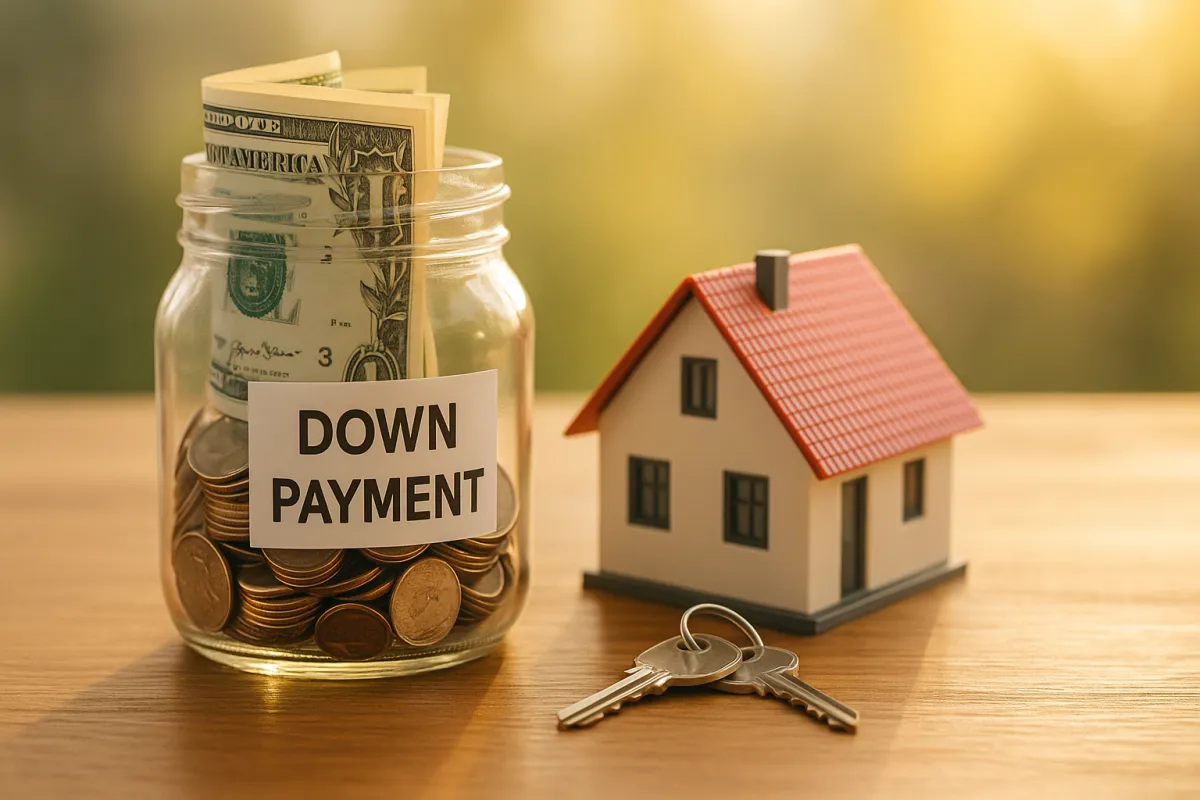
Down Payments Demystified: You May Not Need as Much as You Think
Ask most first-time buyers what the biggest barrier to homeownership is, and they'll say the same thing: the down payment. The myth of the 20% down payment has kept countless renters on the sidelines — waiting, saving, waiting some more — when they may have already been ready to buy.
Let's clear the air and break down your real options.
The 20% Myth
Here's the truth: you do NOT need 20% down to buy a home. While putting 20% down has advantages (namely, avoiding Private Mortgage Insurance, or PMI), it is absolutely not a requirement for most loan programs.
The median down payment for first-time buyers is closer to 6-7% — and many programs go even lower.
Your Down Payment Options
FHA Loans — As Low as 3.5% Down
Backed by the Federal Housing Administration, FHA loans are popular with first-time buyers. Requirements include a minimum 3.5% down with a 580+ credit score, 10% down if your score is 500-579, and mortgage insurance is required.
Conventional Loans — As Low as 3% Down
Some conventional loan programs allow down payments as low as 3% for qualifying buyers.
VA Loans — 0% Down
If you're a veteran, active-duty service member, or eligible surviving spouse, VA loans offer zero down payment with no PMI. This is one of the most powerful home-buying benefits available.
USDA Loans — 0% Down
For buyers purchasing in eligible rural or suburban areas, USDA loans offer 100% financing with no down payment required.
Down Payment Assistance Programs
Many buyers don't realize that grants and assistance programs exist at the state, county, and city level to help with down payments and closing costs. Your lender or a knowledgeable real estate professional can help you identify programs you may qualify for.
The Real Answer
The right down payment is the one that keeps you financially stable, fits your goals, and gets you into the home you want. There's no universal right answer — and a qualified advisor can help you find yours.
Ready to take the guesswork out of buying? The Money Playbook — The Buyer's Ultimate Guide breaks down exactly how to structure your finances, understand your loan options, and step into homeownership with total confidence. Get Your Free Copy Here

PROCESS

BUYER'S PROCESS
Finding and making an offer on the right house can be complicated….and it just gets more involved as you move through the inspection, appraisal, and financing phases of the purchase. I specialize in streamlining these processes to make your experience as smooth as possible.
BUYER’S FAQs
What do I need to do before I start looking for a home?
You will first need to contact a lender and obtain a financing pre-approval letter. This will help you know how much you can afford and will help us tailor our search in finding your next home! Additionally, many sellers require that a preapproval letter accompany the offer or be submitted quickly after the offer is accepted, so it makes sense to already have one ready!
What happens after my offer is accepted?
Acceptance of the offer is only the beginning! Once your offer is accepted by the seller, the home inspection, septic (if necessary) inspection, and appraisal will all take place. I will help you understand and negotiate through each step as you get closer to closing day.
What is Earnest Money?
Earnest money is a “good faith deposit” that you put down once your offer is accepted. This money is usually held by the Seller’s broker in a non-interest bearing escrow account. If you decide not to move forward with the purchase due to contingencies outlined in the contract, the seller will release the earnest money back to you. Both parties must agree to release the earnest money.
What are closing costs and who pays for them?
Closing costs are the fees and costs that are associated with finalizing or “closing” the sale of your property. Closing costs include (but are not limited to) the appraisal fee, lender fees (such as credit report fee, loan origination fee, flood certification fees, and underwriting fees), taxes, title fees, and insurance. This is another reason to talk to a lender prior to looking for a home. Your lender will be able to take all of these extra items into account when you are deciding how much you can spend. Some closing costs are paid by the seller and some are paid by the buyer. The contract will determine who pays for what costs. It is not uncommon for buyers to ask sellers to pay for a portion of the closing costs.
SELLER'S PROCESS
Selling your home can be a daunting task. Valuing your home, getting it ready to show, managing the showing process, and negotiating offers is time consuming and can be complicated. I take care of all aspects of helping you navigate the process successfully.
Listing & Marketing
As I’m pricing and staging your home, I also develop a strategic marketing plan to target the right prospective buyers. Your home will have immediate interest and activity via inclusion in the multiple listing service (MLS) and on websites such as Zillow, Trulia, and Realtor.com. However, I take additional measures to make sure your listing gets highlighted to Realtors who have active buyers in your area. I have a very broad network and I send out targeted texts, emails, and/or phone calls in order to contact the right people with the right information. I work to create urgency and competition amongst qualified prospects so you can have the best chances at getting offers from qualified and competitive buyers.
Analyzing & Negotiating
Once you have started fielding offers, I diligently review them and help you analyze and understand the key terms. I carefully work with you to formulate a well-supported counter offer so that your price and terms are the very best possible.
Closing
I understand the stress and logistics of selling your home. My goal is to help you coordinate all the pieces of the closing and follow through on them so your process can be as stress free as possible. I work diligently with lenders and other vendors to help you close seamlessly and on time.
SELLER'S FAQs
What is the most important factor in selling?
Optimized pricing – Even in a seller’s market, if your home isn’t priced correctly, it will likely sit on the market. Homes that sit on the market for an extended time tend to lose momentum. I will provide you the tools and advice to prevent this from happening.
How do I value my home?
Recent comparable transactions is the primary item. I will gather and analyze the data to help you optimize the list price of your home. Two of the most important factors in selling your home are price and condition. I understand how to properly value your home and can price your home based on the market, your needs, and timeline. I will also advise you on how to stage your home to maximize appeal.
What do I need to do before I put my house on the market?
The first step that everyone needs to do is to declutter. Even the neatest of homes has the occasional closet or corner that could use a little organization. Buyers will be looking at every corner of your home, so make sure it’s ready to show!
Secondly, you will need to make sure your home is very clean. If a home isn’t well kept, buyers can focus on the dirt and won’t see the other features.
Finally, stage your home to sell. I am experts at this and would love to help you! Sometimes furniture rearrangements and accessorizing with item such as good lighting can do wonders to homes attractiveness. Remove excess personal photos and personal items, streamline countertops, and remove items that you don’t use every day. Open and clean space help home’s appeal to buyers.
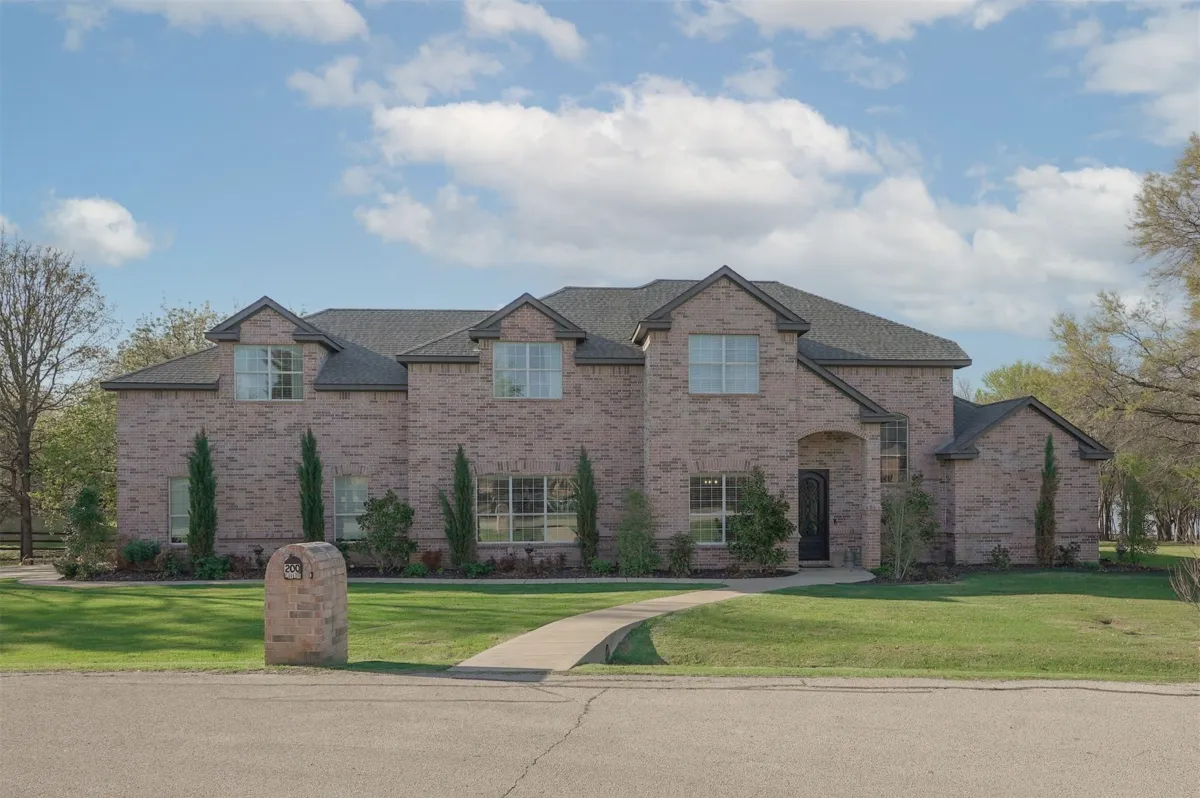
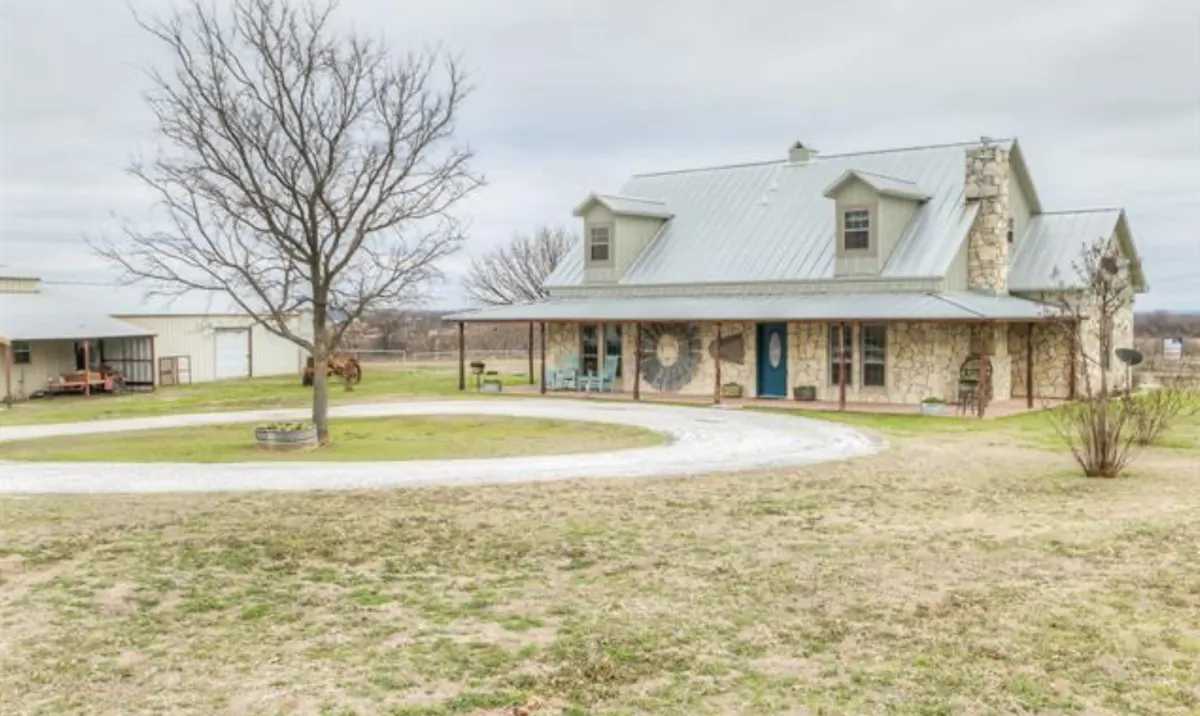
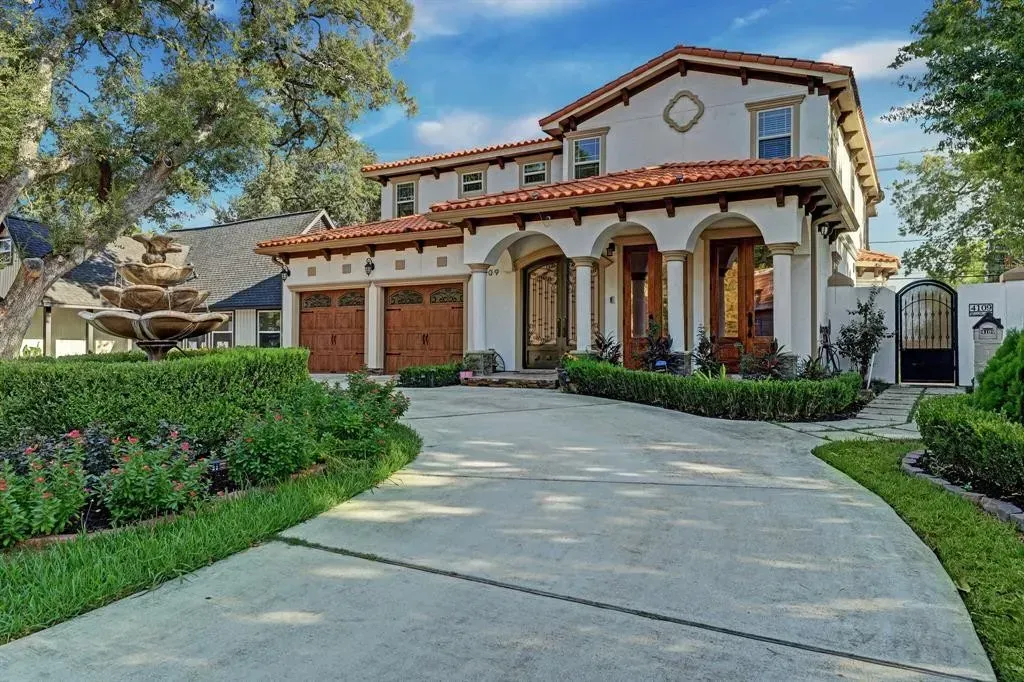
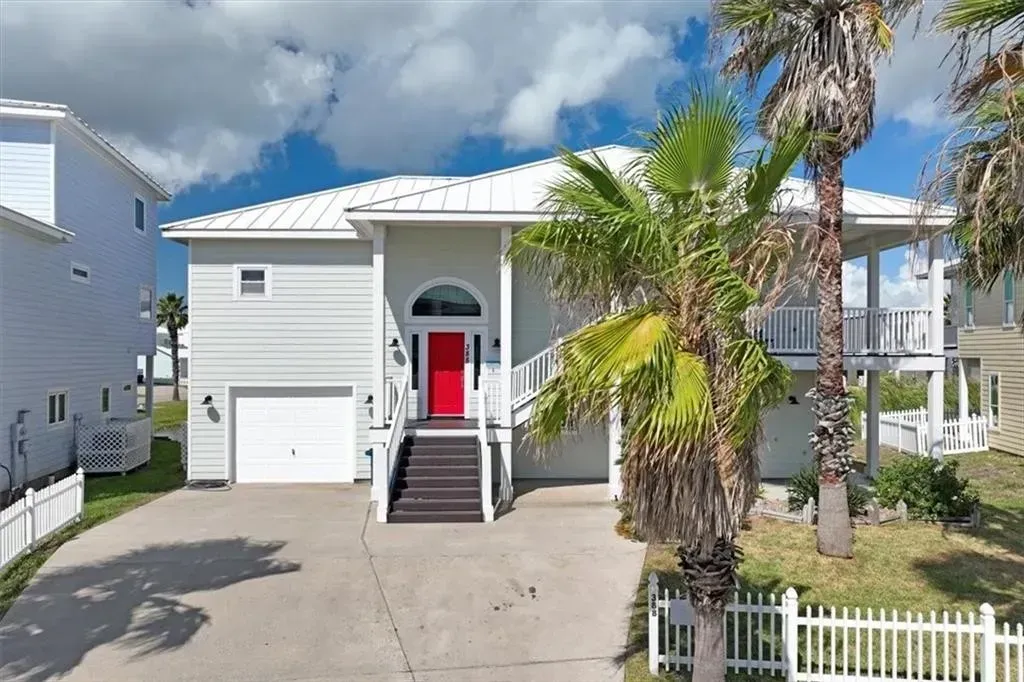
Past Sold Properties
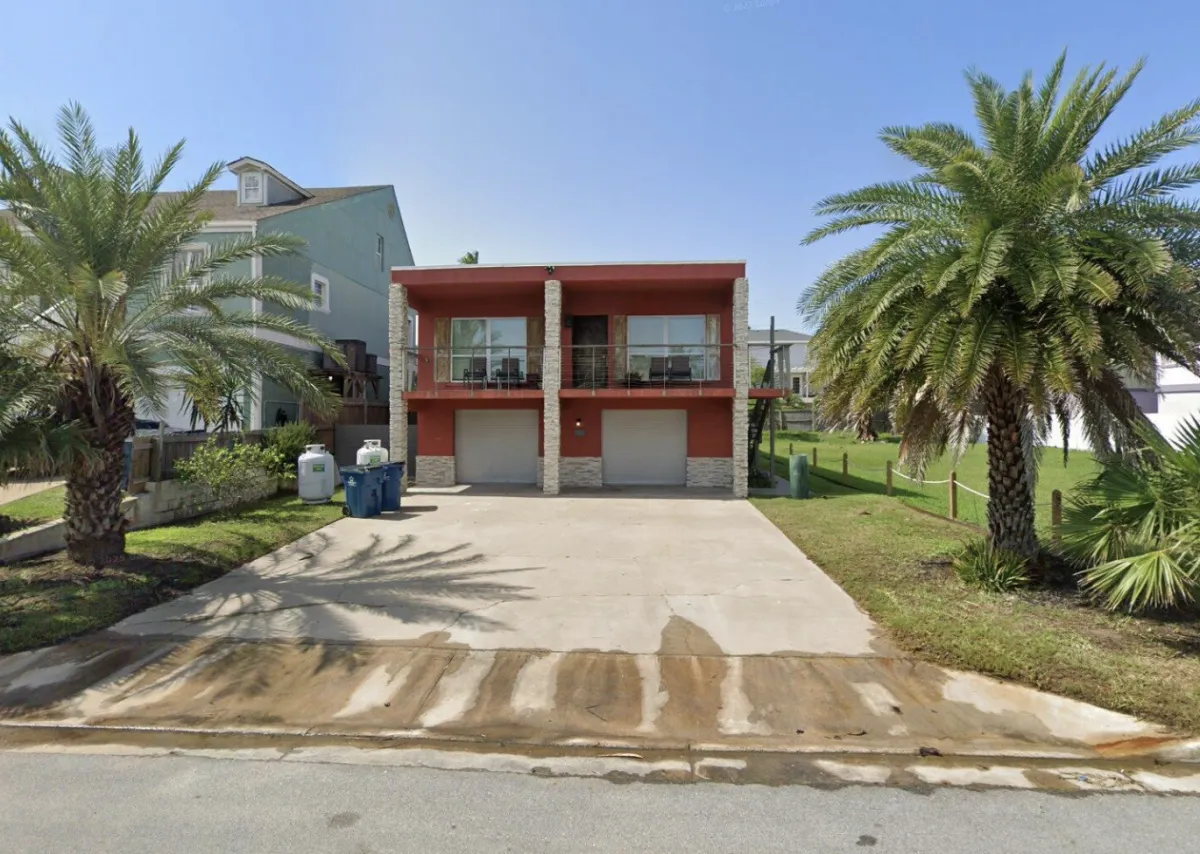
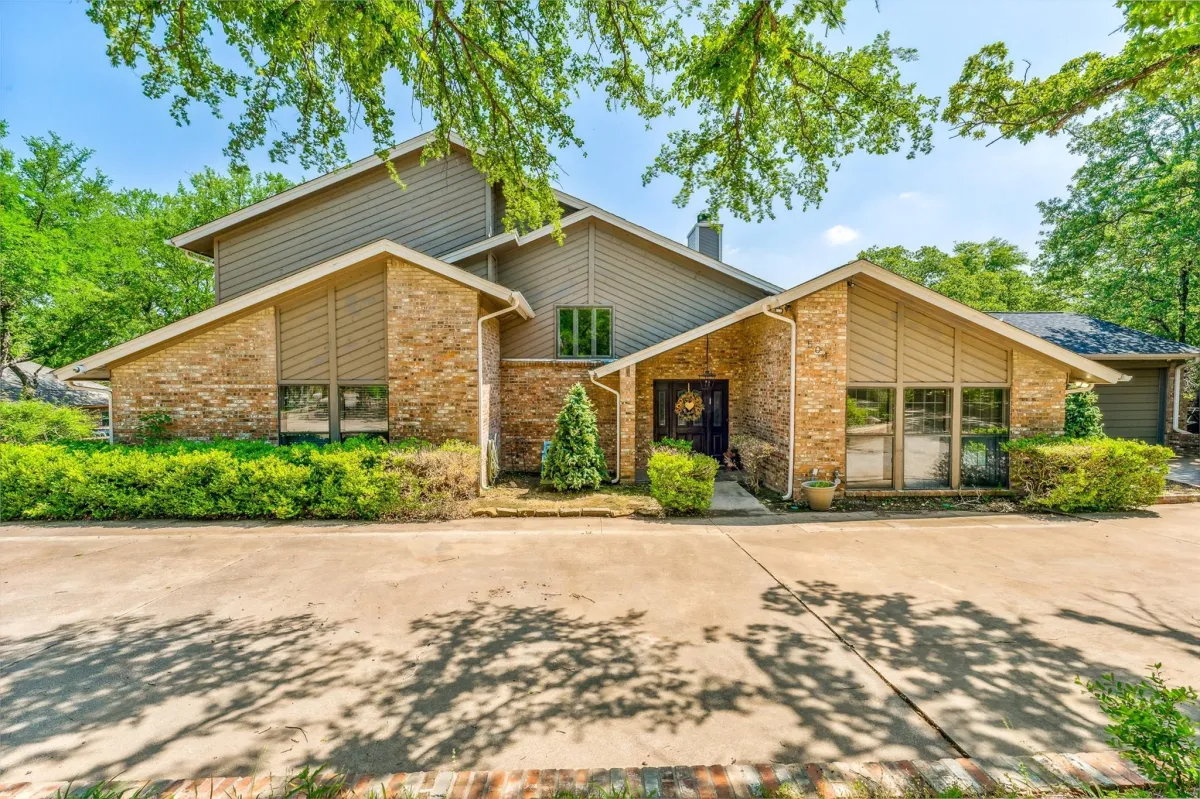
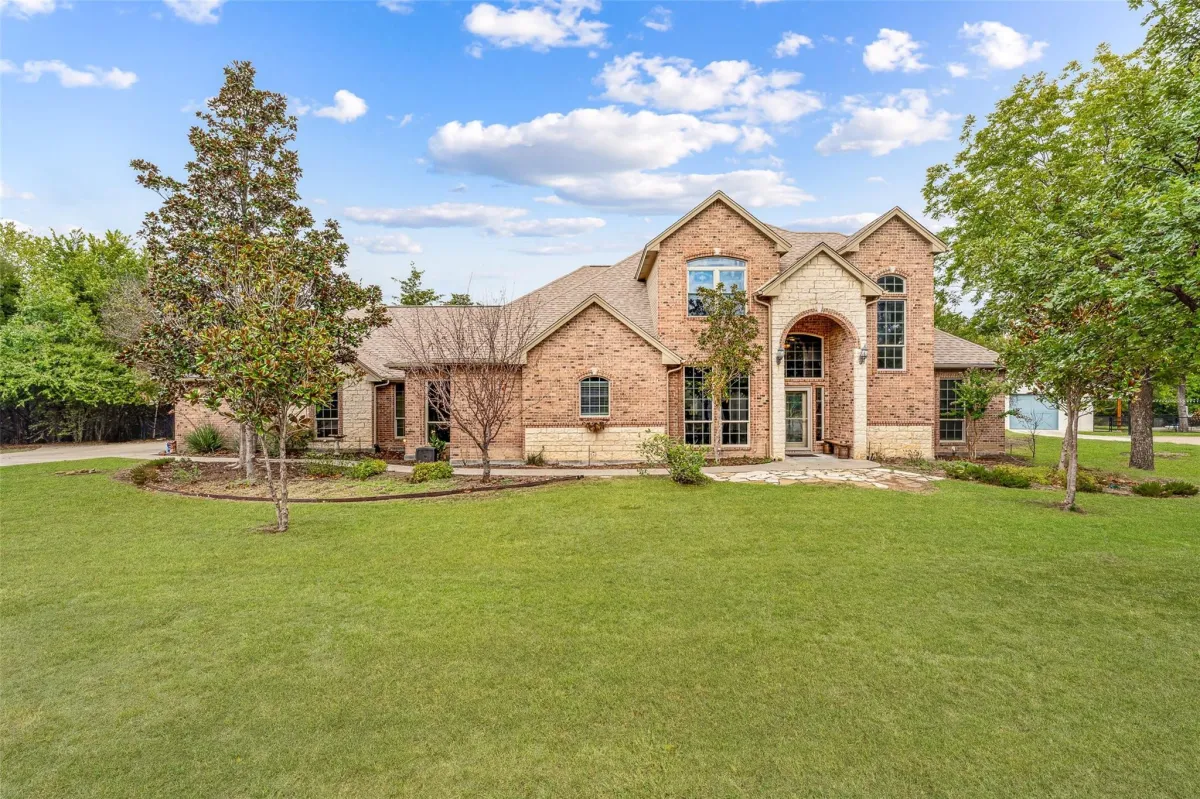
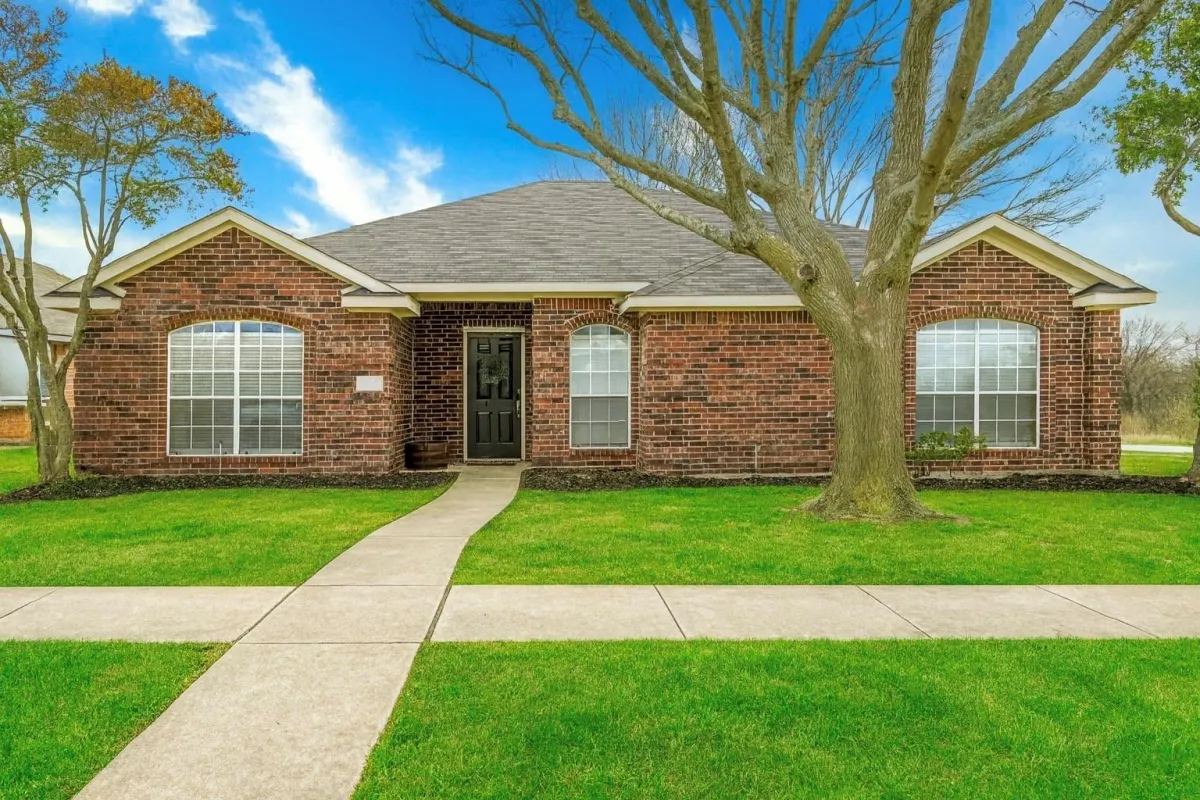
Raving Fans
Bottom Line:
We are going to get the job done properly for you and not let you down. Period.
There is no risk and no obligations, just expert and friendly advice!